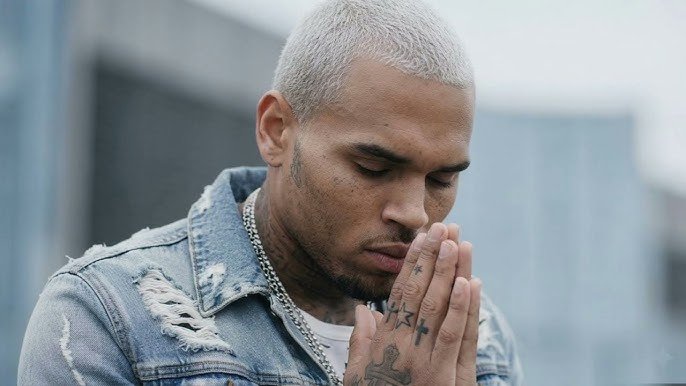
Chris Brown and the Body of Christ
On June 7, I will accept Cardinal Francis Leo’s invitation to adore and process with the Blessed Sacrament through the streets of downtown Toronto.
The Cardinal’s invitation is clear. Corpus Christi is not religious decoration. It is public witness. On this feast, the Church proclaims Jesus Christ “really, truly, and substantially present” in the Eucharist. Then she carries the Blessed Sacrament “beyond the walls” of the church and into the streets.
That matters.
Because Christ does not belong only to sanctuaries, sacristies, and safe people.
He belongs in the public square.
He belongs where there is division, indifference, and suffering.
I know those streets.
I have ministered there. I have crisis-managed there. I have responded there. I have stood with addicts, sex workers, prisoners, people coming out of treatment, people going back to jail, people sleeping outside, people whose names were forgotten long before their bodies were.
So when the Body of Christ is carried through downtown Toronto, I do not see pious theatre.
I see judgment.
Not judgment on the broken.
Judgment on the respectable.
Because Corpus Christi announces something the modern world cannot bear:
The Body matters.
The wounded body. The addicted body. The criminalized body. The sexualized body. The exhausted body. The branded body. The body everyone thinks they are finished with.
Which is why I have been thinking about Chris Brown.
Chris Brown should have been the modern Michael Jackson.
In the best ways.
Dance. Art. Music. Range. Beauty. Breadth. Depth. Across genres. A performer whose body understands rhythm before language.
But he is not remembered that way.
Because he is branded.
And let me be clear. Accountability matters. Violence matters. Women matter. Harm matters. Sin is real.
But branding is not redemption.
Branding freezes a man forever at his worst-known moment and then calls that justice.
Christianity cannot do that.
I worship a crucified God.
That means I do not get to pretend grace is tidy. I do not get to demand that redemption arrive already sanitized, platform-approved, and reputationally safe. I do not get to kneel before the broken Body of Christ in the monstrance and then stand up to decide which broken bodies are beyond mercy.
Chris Brown is not easy.
That is the point.
The Gospel is not tested by whether we can love the harmless. The Gospel is tested by what we do with the guilty, the ashamed, the gifted, the damaged, the dangerous, the publicly disgraced, and the person whose repentance we are not sure we trust.
Cancel culture cannot redeem anyone.
It can punish. It can exile. It can brand. It can perform moral seriousness for an audience.
But it cannot raise the dead.
Only Christ can do that.
So on June 7, when the Blessed Sacrament moves through downtown Toronto after the noon Mass at St. Michael’s Cathedral Basilica, I will be thinking about the people on those sidewalks. The addict. The prisoner. The sex worker. The violent man. The ashamed father. The abandoned son. The branded artist. The disgraced priest. The person everybody has already decided is finished.
And I will be thinking this:
The Body of Christ is still being carried into the street.
Not because the street is holy.
Because Christ is.