Michael Jackson and the White Moral Imagination
There is something deeply revealing about the way educated progressive culture talks about Michael Jackson.
Not the facts alone. Not the allegations alone. The tone.
The certainty.
The emotional cleanliness.
Reading Martha Tatarnic’s article in The Christian Century, I kept hearing the same instinct that dominates so much modern moral discourse: reduce the complicated person into a usable symbol so respectable people can reassure themselves they are on the correct side of history.
Michael Jackson becomes less a human being than a public morality exercise.
And that bothers me.
Not because allegations involving children should be ignored. They should not. Serious accusations deserve serious moral attention. Boys matter. Victims matter. Abuse matters.
But Michael Jackson was not simply a celebrity accused of wrongdoing.
He was one of the most psychologically manipulated and publicly consumed Black human beings in modern history.
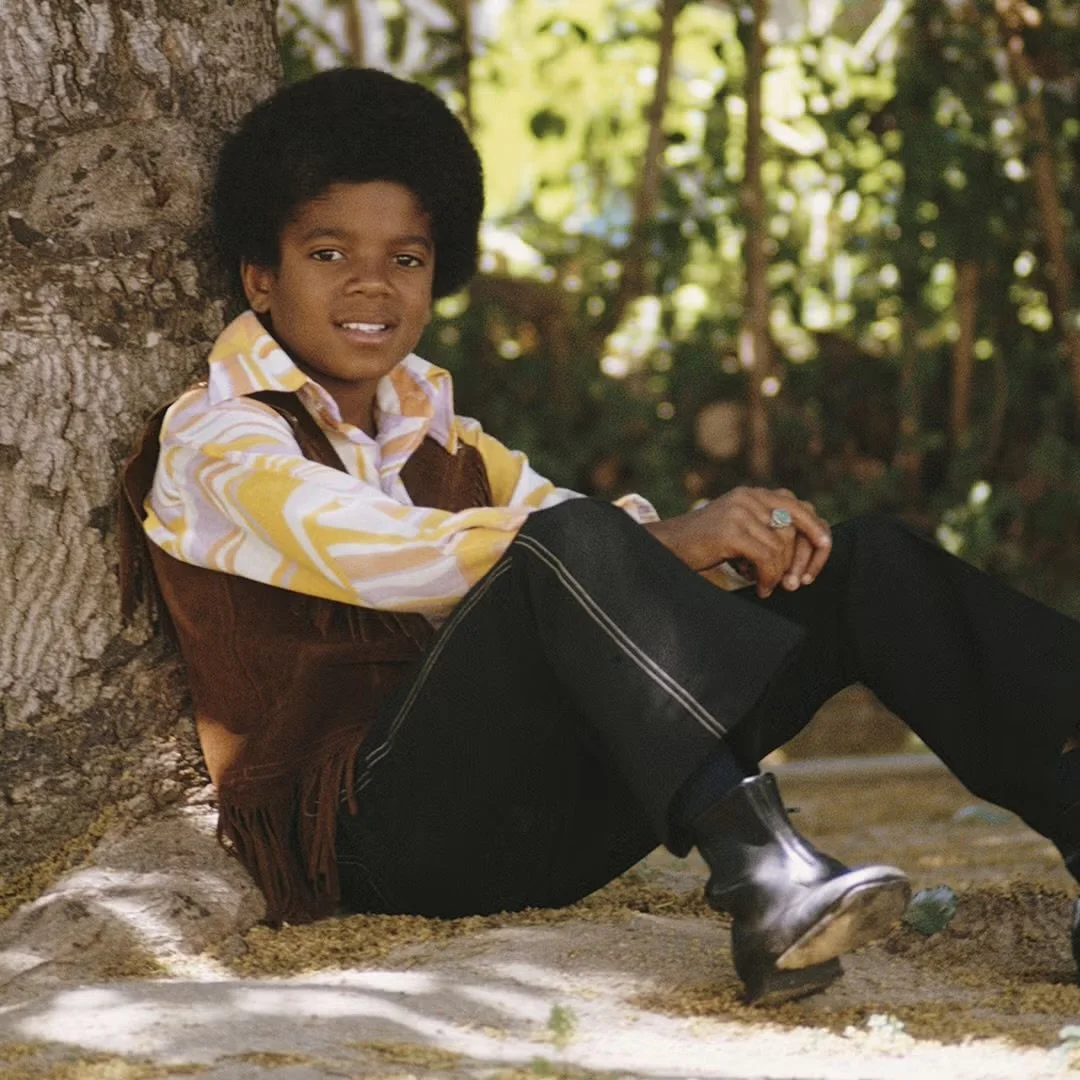
A Black child pushed into global fame before adulthood. Brutalized by his father. Isolated from normal human development. Turned into product, myth, spectacle, and projection for decades while the world fed on him commercially and psychologically.
Then, once visibly broken, the same culture that profited from him began treating him as a grotesque curiosity.
That context does not erase the allegations.
But pretending it is irrelevant is intellectually dishonest.
What I find especially uncomfortable is how quickly many elite white progressive spaces flatten Black male complexity once it becomes morally inconvenient.
As long as the Black figure remains inspirational, symbolic, politically useful, or cleanly oppressed, empathy flows easily. But once the person becomes psychologically disturbing, sexually complicated, morally ambiguous, or impossible to categorize neatly, empathy narrows and moral performance takes over.
The goal subtly shifts from understanding to purification.
“We are not like him.”
That is the atmosphere I felt around this article.
And there is another layer people rarely admit openly:
Many highly educated people who speak constantly about trauma and systems become deeply uncomfortable around broken men who no longer perform pain in socially approved ways.
Especially disgraced men.
Especially angry men.
Especially men who make people feel morally uncertain.
Michael Jackson forces uncertainty.
He may have harmed children.
He was also unquestionably a profoundly damaged human being created inside one of the most exploitative fame systems ever constructed.
Those realities can exist together.
But ours is a culture increasingly addicted to moral simplicity because simplicity allows people to feel pure without wrestling honestly with tragedy.
And tragedy is exactly what Michael Jackson was.