The Betrayal I Didn’t Understand Yet
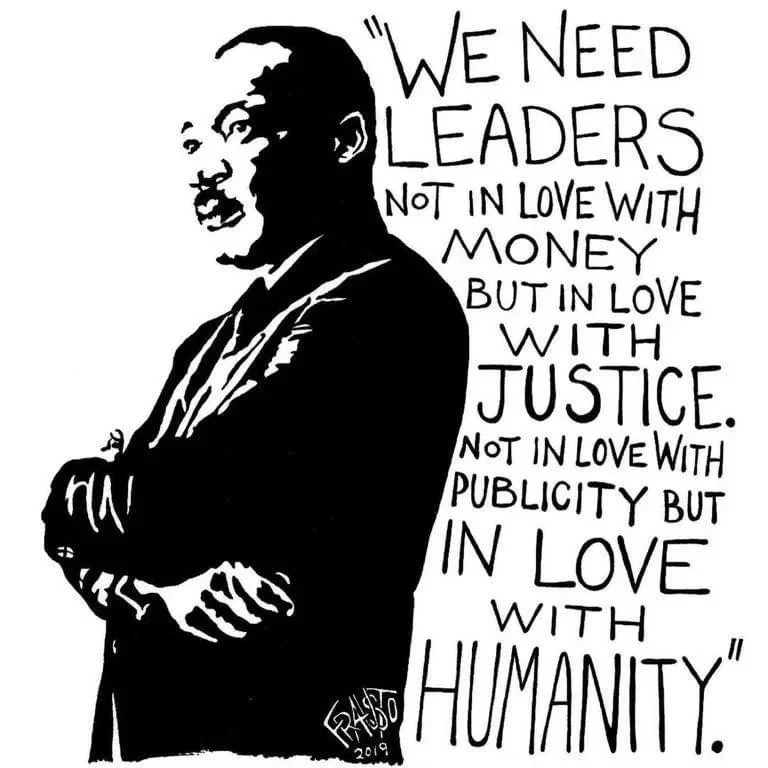
“A time comes when silence is betrayal.”
— Martin Luther King Jr.
I have spent much of my adult life trying to understand inheritance.
Not inheritance in the financial sense.
Inheritance as formation.
Inheritance as wound.
Inheritance as silence.
Inheritance as the stories families repeat proudly and the truths they refuse to name at all.
I was baptized Roman Catholic in Glasgow in 1981.
My mother’s family were Irish Catholic with roots in Donegal. My father’s family were from outside Falkirk — Rangers culture, Protestant masculinity, working-class Scotland, inherited loyalties passed down long before anyone asked whether they were moral.
I had language.
A collar.
Institutional affirmation.
A future.
I thought vocation could outrun inheritance.
It cannot.
Unresolved inheritance does not disappear because someone becomes articulate about reconciliation. It waits.
And eventually it emerges through addiction, ambition, emotional suppression, performance, collapse, and the exhausting need to become exceptional enough to outrun whatever still lives underneath you.
That was part of what priesthood became for me.
Not entirely. There was real beauty in it. Real love. Some Anglican clergy and bishops loved me extraordinarily well. Some still do.
But churches — like many institutions — are often very good at rewarding gifted wounded men.
Especially men who know how to preach while privately collapsing.
I understand suffering differently now because I no longer encounter it academically.
Working in frontline mental health, addictions, supportive housing, crisis response, and psychiatric care changed me profoundly. Somewhere between overdose calls, psychiatric wards, and community crisis teams, I stopped seeing “those people” and started recognizing mirrors.
Men taught that emotion was weakness until weakness became destruction.
Families carrying generations of unresolved trauma disguised as culture.
Institutions preserving stability while quietly consuming wounded people in the process.
That sentence from Martin Luther King Jr. has followed me for years.
Because betrayal is not always dramatic.
Sometimes betrayal is gradual.
Sometimes betrayal is abandoning yourself slowly enough that everyone applauds while it happens.
I did not understand that when I was younger.
I thought betrayal meant abandoning institutions. Abandoning tradition. Abandoning faith.
Now I think the deeper betrayal was living divided against myself while calling it vocation.
Not becoming Anglican.
Not loving Anglicanism.
Not trying sincerely to serve.
The betrayal was pretending inheritance did not matter while it shaped nearly everything underneath me.