No One Comes Back the Same
In Peter Jackson’s adaptation of The Hobbit, Bilbo asks Gandalf a question before the journey truly begins:
“Can you promise that I will come back?”
And Gandalf answers:
“No. And if you do, you will not be the same.”
That may be the truest thing ever written about suffering.
Because modern people still imagine collapse as interruption.
A setback.
A difficult chapter before the triumphant return of the old self.
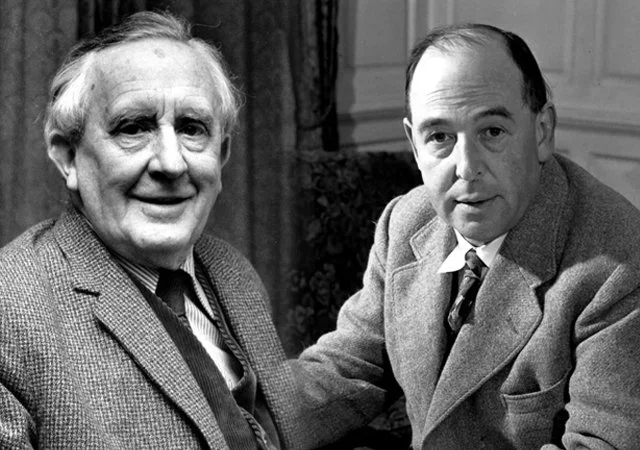
But J. R. R. Tolkien understood something many modern people do not:
Some journeys end the person who began them.
Not metaphorically.
Actually.
Over the last several years, almost every institution that once helped explain who I was either collapsed around me or expelled me from the version of myself I once inhabited comfortably.
Priest.
Leader.
Public voice.
Professional helper.
The articulate man people trusted to hold everything together.
Then came addiction. Public humiliation. Mental health crisis. Recovery. Courtrooms. Psychiatric assessments. Frontline crisis work. And the terrifying realization that I now understood the people society discards far more personally than professionally.
Some of what happened to me was unjust.
Some of it was self-inflicted.
Most of it is more complicated than public narratives allow.
But suffering simplifies things eventually.
Especially after humiliation destroys the distance between performance and truth.
C. S. Lewis once wrote that pain is “God’s megaphone to rouse a deaf world.”
When I was younger, I interpreted that romantically. As though suffering automatically purified people or made them wise.
It doesn’t.
Some suffering hardens people.
Some destroys them.
Some makes them cruel.
Some turns people into institutions themselves — efficient, emotionally defended, incapable of tenderness.
But suffering faced honestly can burn away illusion.
And illusion was everywhere in my old life.
The illusion that giftedness meant health.
The illusion that leadership meant emotional maturity.
The illusion that institutions protect truth-tellers.
The illusion that being needed is the same thing as being loved.
It isn’t.
Dietrich Bonhoeffer wrote from prison:
“We must learn to regard people less in light of what they do or omit to do, and more in the light of what they suffer.”
Working in mental health and addictions changed me because eventually I stopped seeing “clients” and started recognizing mirrors.
Men discarded after breakdown.
Addicts carrying unbearable grief.
People medicated into silence.
Human beings reduced to diagnoses, police interactions, risk assessments, and whispered institutional conversations.
And slowly I realized something terrifying:
I understood them personally now.
Not academically.
Martin Luther King Jr. once said:
“Only when it is dark enough can you see the stars.”
That sounds beautiful until darkness actually arrives.
Then you discover whether your identity was built on truth or applause.
People listen differently when they think you’ve failed.
Strangely, that is often the first time they actually hear something true.
Sunday is Pentecost.
The Christian story says fire descended not onto emperors, polished clergy, or institutional gatekeepers protecting their reputations.
It descended onto frightened people after collapse.
Confused people.
Exhausted people.
People wondering who they even were anymore after the world they built their identity around had fallen apart.
Bilbo asked Gandalf whether he would return.
The answer was yes.
But Gandalf told the truth too:
“No. And if you do, you will not be the same.”
And neither am I.