The Only Thing They Could Publish
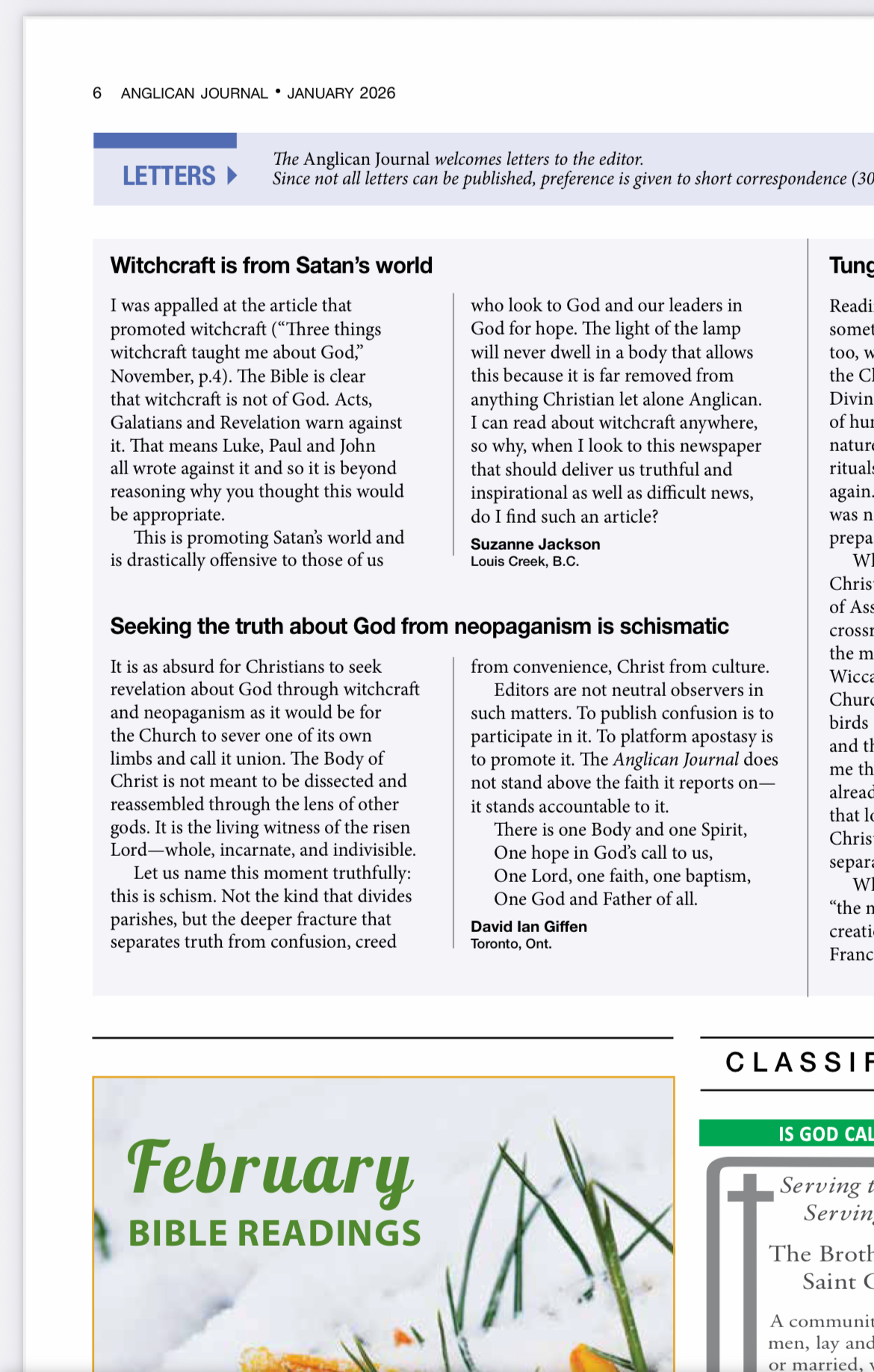
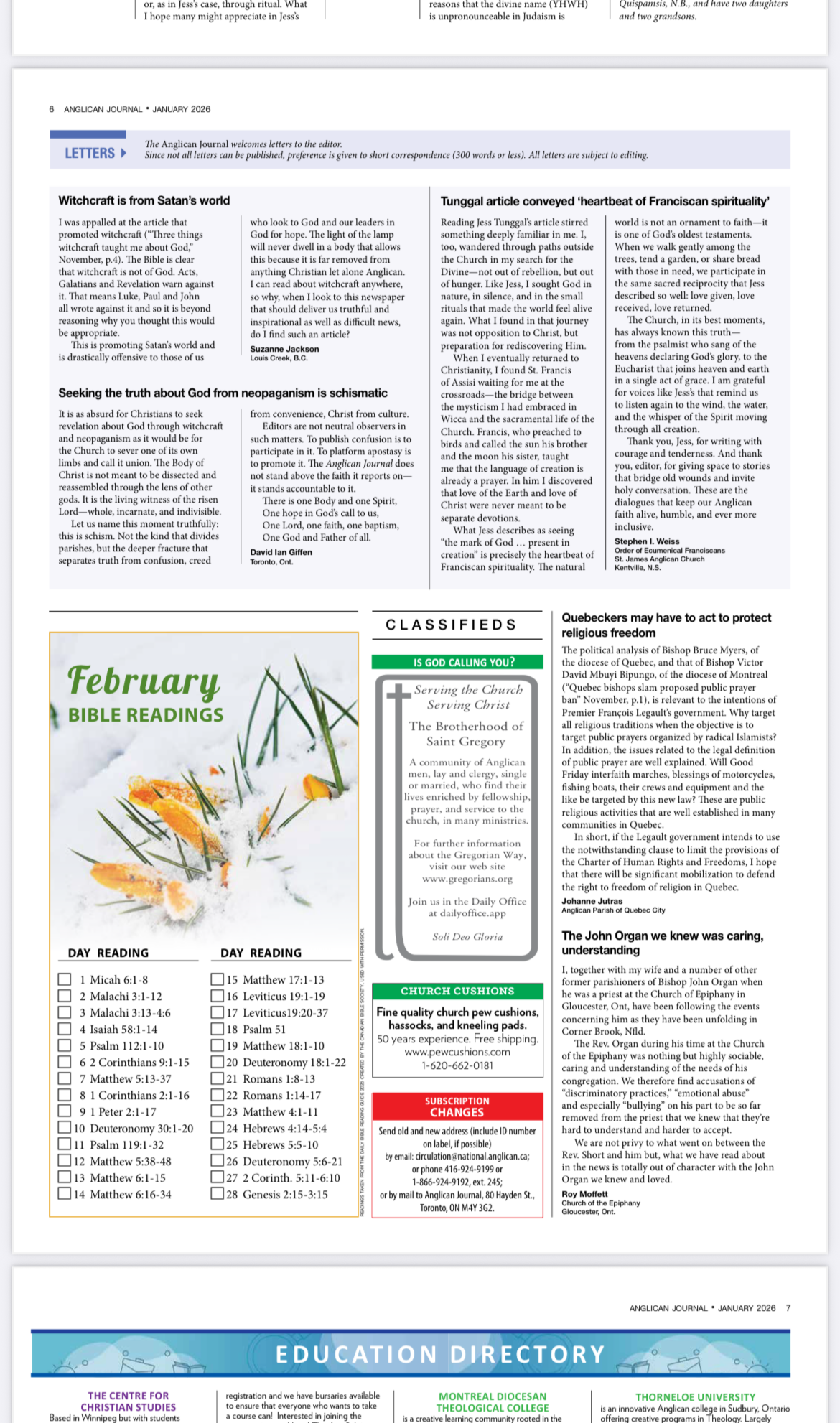
In January 2026, the Anglican Journal published a short letter I wrote criticizing the publication of neopaganism and witchcraft as anything that exemplifies Church.
Not my memoir.
Not my essays on trauma, addiction, institutional collapse, or ministry.
Not the extensive interview I gave following the resignation of Justin Welby in 2024.
Not the dozens of submissions I sent after being deprived of ministry.
This.
A short defense of Christian orthodoxy.
And I have thought about that often since.
Because institutions reveal themselves not only through what they condemn, but through what they permit.
For years, I have written openly about power, silence, reputation management, addiction, collapse, and the human cost of institutions protecting themselves before protecting people.
Mostly silence.
But when I warned against theological confusion, suddenly I became publishable.
That should trouble people more than it comforts them.
Not because the letter was wrong. I stand by every word of it. Christianity cannot endlessly absorb contradictory spiritual systems while pretending doctrine no longer matters.
But the deeper issue is this:
Why is doctrinal controversy safer than institutional honesty?
Why can churches debate neopaganism more easily than they can confront suffering, failure, cowardice, and truth inside their own walls?
The Church does not heal through narrative management.
It heals through repentance.
And repentance always begins the same way:
By telling the truth.