There Is No Such Thing as a Neutral Bystander
Neutrality is one of the most celebrated virtues in polite society.
Measured. Calm. Reasonable.
It keeps the room from overheating. It keeps relationships intact. It keeps people from having to pick a side before they are ready.
It also keeps harm exactly where it is.
We confuse neutrality with wisdom because it looks composed. But there is a difference between discernment and avoidance. Discernment asks what is true and what is required. Neutrality asks how to stay out of trouble.
That distinction collapses the moment harm becomes visible.
Because once you can see it—clearly, concretely—the idea of being “uninvolved” is no longer real. It is a story we tell ourselves to justify staying still.
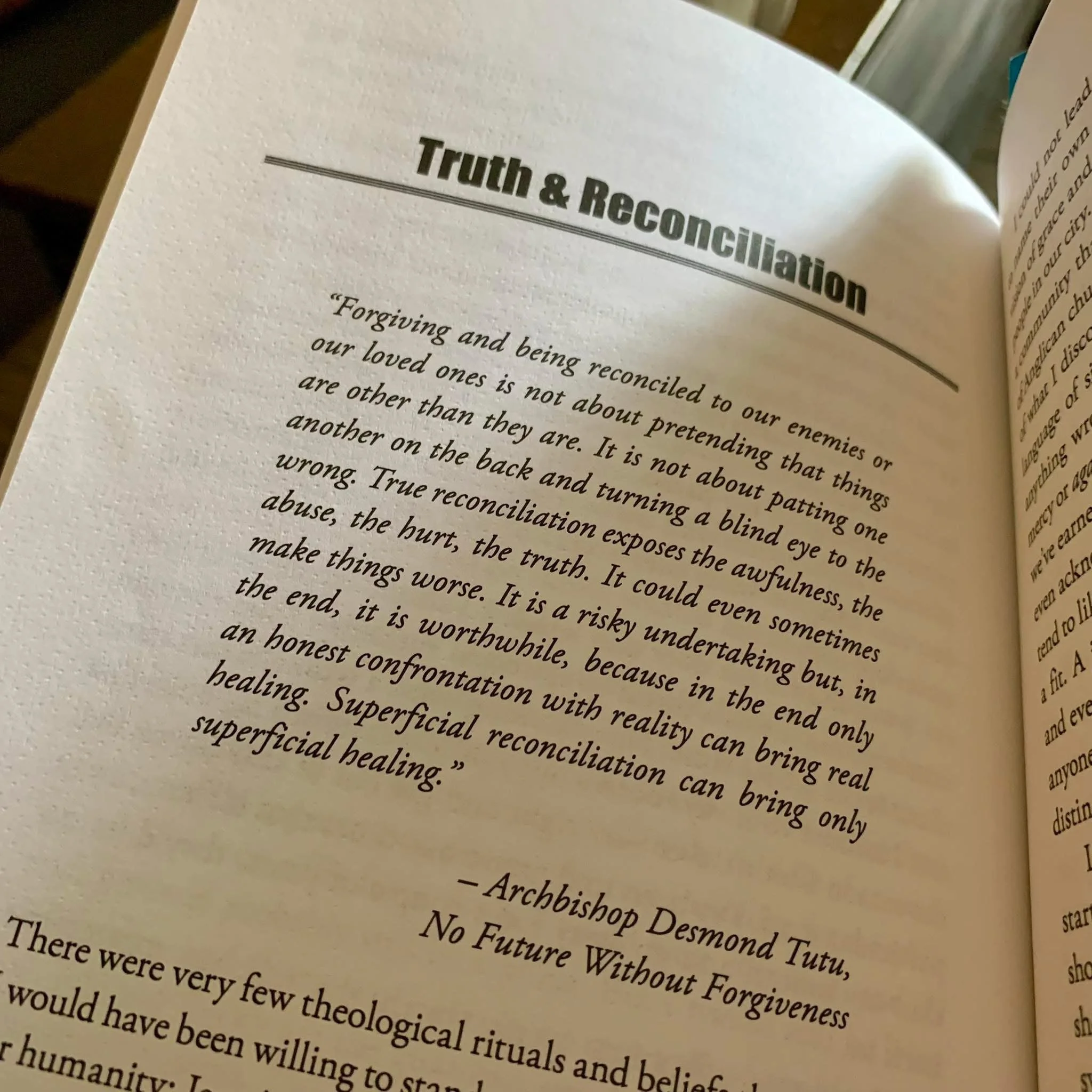
Desmond Tutu said it without decoration: if you are neutral in situations of injustice, you have chosen the side of the oppressor. Not because you intended to harm, but because your stillness allowed harm to proceed uninterrupted.
That is where most people push back.
We like to imagine complicity as loud and obvious. We imagine villains. We imagine cruelty with intent.
But most harm survives in quieter rooms.
The meeting where everyone knows something is wrong and no one names it.
The family where a pattern is obvious and never addressed.
The institution where complaints are acknowledged, filed, and neutralized.
The colleague who “doesn’t have enough information.”
The leader who “needs more time.”
Neutrality lives there. It sounds responsible. It feels fair. It protects the system from disruption—and in doing so, protects the problem.
Martin Luther King Jr. named the deeper issue: the greatest obstacle to justice is not the extremist, but the moderate who prefers order to justice. The one who agrees in principle, but resists the cost of change.
Because truth, when spoken plainly, creates tension. It forces movement. It demands that someone give something up—power, comfort, reputation, control.
Neutrality is the refusal to pay that price.
And so people wait. They soften language. They call for patience. They reframe urgency as instability. They ask the person naming harm to be less disruptive than the harm itself.
That is not balance.
That is participation.
Dietrich Bonhoeffer made it unavoidable: silence in the face of evil is itself evil. Not to speak is to speak. Not to act is to act.
There is no clean middle once you know.
You do not get to opt out.
You either interrupt what is wrong—or you become part of how it continues.