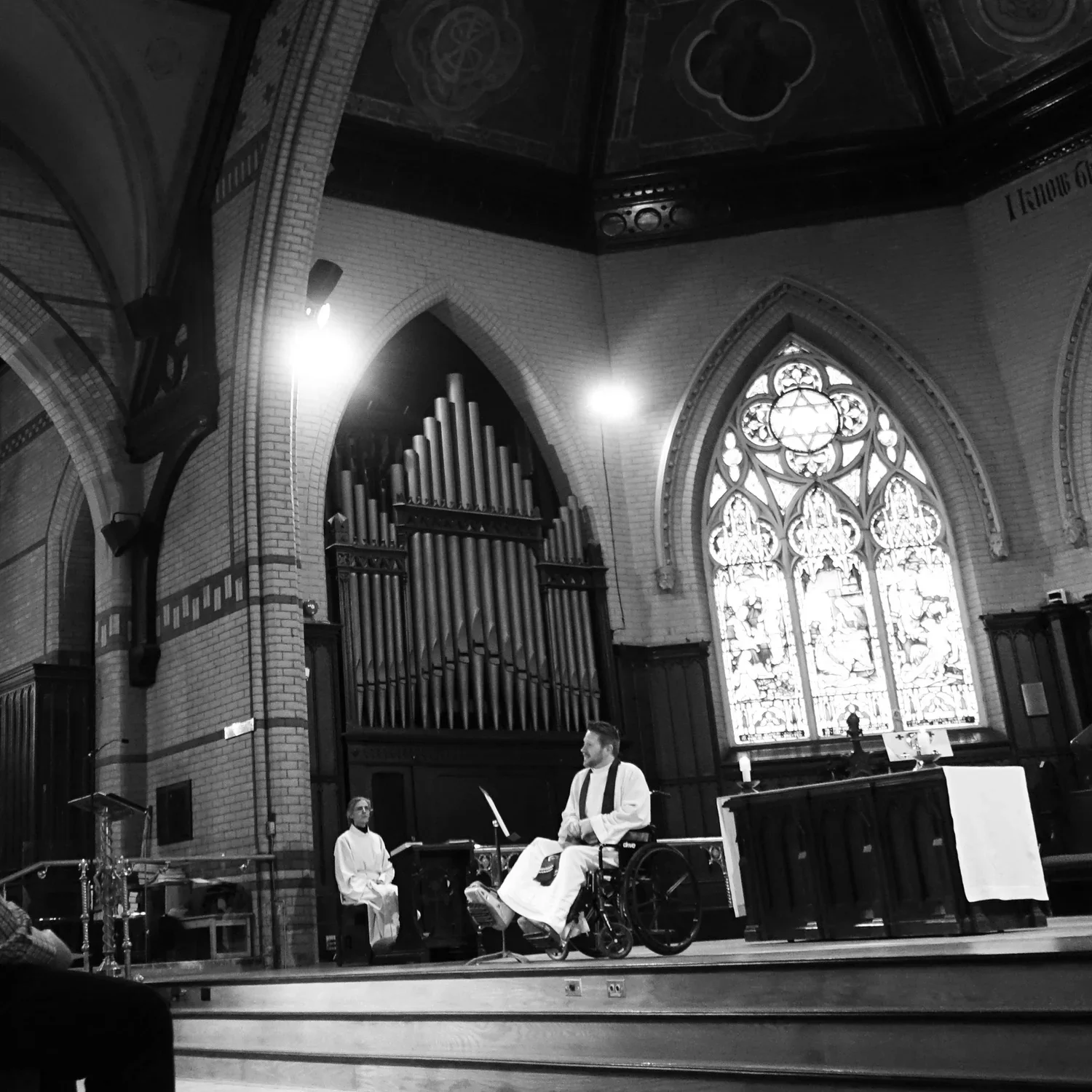
They Preferred the Wound
The world has a use for wounded people.
The wounded can be pitied, managed, studied, and turned into proof of everyone else’s compassion.
But let the wounded stand up straight, and the mood changes.
Because the wound was never the problem.
The problem is what happens when the one they expected to stay buried starts speaking with clarity.
People will tolerate your pain for years, so long as it stays passive. So long as it stays useful. So long as it does not threaten the story they have told about themselves.
They can handle your grief.
They can handle your struggle.
They can handle your collapse.
What they cannot handle is your clarity.
Because clarity names what happened.
It remembers who knew.
It strips the perfume off institutional language and lets the rot speak.
That is why so many systems prefer the wound to the witness.
A wound can be acknowledged without repentance.
A witness connects the dots.
And once the dots are connected, the polished lie starts to shake.
Institutions love the language of care until care requires confession.
They love the language of justice until justice reaches their own door.
They love the language of healing until the healed start naming names.
They love resurrection as metaphor.
They fear it as fact.
Because resurrection drags into daylight everything that depended on the dark.
That is why some people only liked you when you were broken.
When you were broken, they could interpret you, contain you, and stand near your suffering long enough to borrow moral seriousness from it.
But once you began to recover, remember, rebuild, and speak plainly, you stopped being their symbol and became their problem.
Good.
Let them have a problem.
Too many people have been trained to soften their testimony and dilute their truth into language that protects the comfort of the people who helped cause the harm.
That is not peace.
That is managed silence.
Polish is not virtue.
Procedure is not justice.
Silence is not healing.
Some people never wanted the wounded restored.
They wanted them quiet.
Dependent.
Symbolic.
Weak enough to be discussed and not strong enough to become authoritative.
Because once the wounded become witnesses, power loses control of the script.
That is why memory matters.
Memory is not bitterness.
Memory is resistance to erasure.
It keeps the architects of harm from becoming its narrators.
It keeps the living from being buried under someone else’s version of events.
Carried rightly, memory becomes judgment:
This happened.
They knew.
They chose themselves.
They called it wisdom.
It was fear.
That is what prophecy sounds like now.
Not performance.
Not noise.
Just the disciplined refusal to lie.
The refusal to call domination care.
The refusal to call cowardice nuance.
The refusal to call erasure reconciliation.
The refusal to call survival a threat simply because it came back speaking.
Some resurrections feel like judgment because they expose who was comfortable with the tomb.
So stand up. Tell it clean.
Do not decorate the wound. Do not flatter the crowd. Do not ask permission from people who needed your silence.
Let truth do what truth does.
Trouble the dead things.
Expose the holy frauds.
Call the living back to life.