To Those Perched in the Woke Tree
An Open Letter to the Church at a Moment of Reckoning
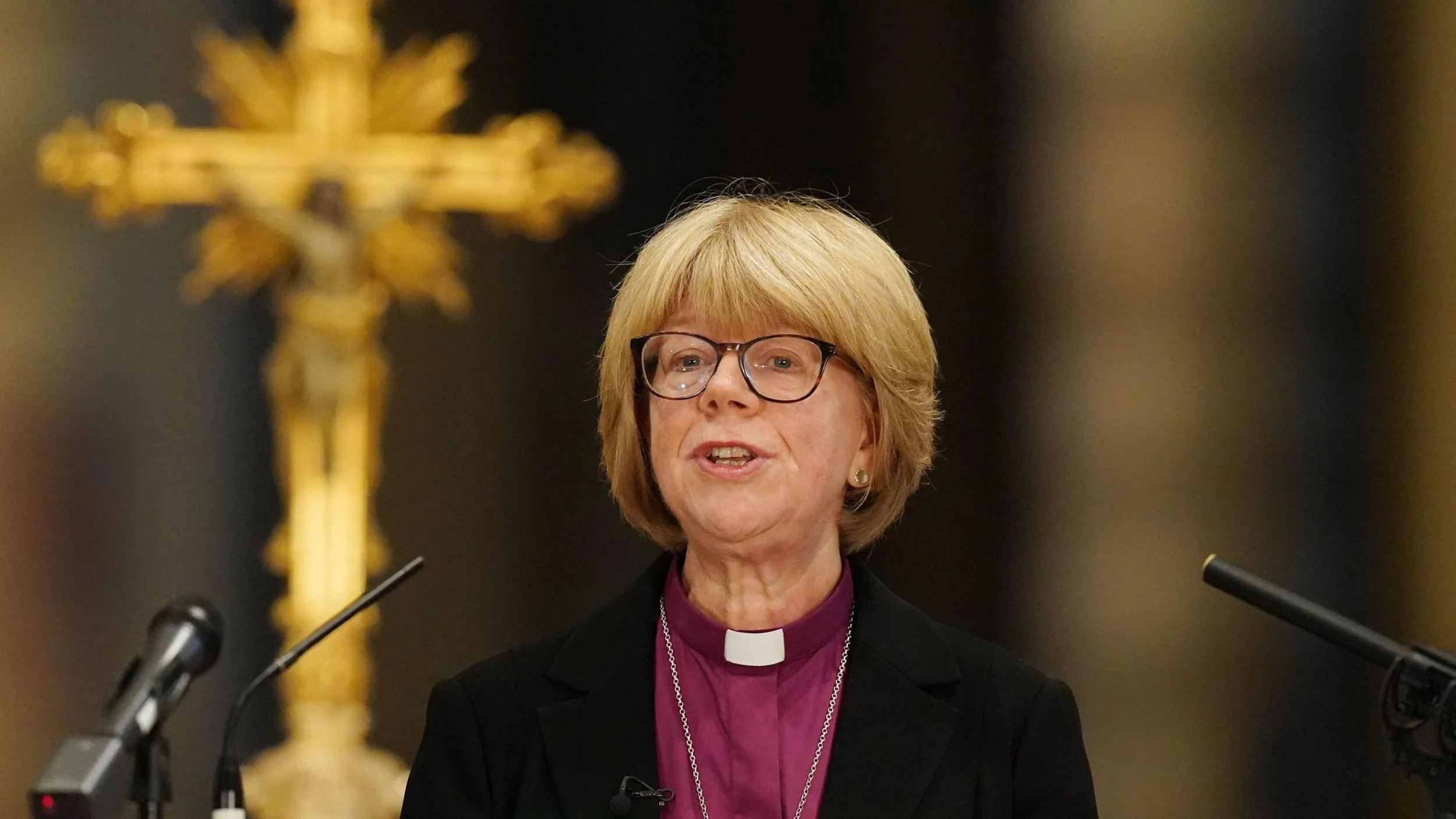
Genuine and sincere congratulations to Sarah Mullally on her appointment as Archbishop of Canterbury. History matters. Representation matters. The misogyny faced by women in ecclesial leadership—often from within the Church itself—is real and must be named without hesitation.
But celebration cannot become cover.
The Church of England, and the wider Anglican Communion, stands at a moment that demands more than historic firsts. It demands moral clarity. And clarity now requires confronting a persistent gap between moral performance and moral courage.
Several years ago, I wrote a deliberately provocative piece naming what I called the woke tree—a metaphor for how justice is sometimes performed rather than practiced inside institutions, including the Church. The tree is elevated. It is sheltered. It offers visibility without vulnerability. From its branches, one can speak eloquently about liberation while remaining insulated from its cost.
Let me be clear about what this critique is—and what it is not.
It is not an attack on women, nor on women in leadership.
It is not a denial of racism, sexism, or historic exclusion.
It is not nostalgia for clericalism or reactionary power.
It is a challenge to a particular posture: the exercise of moral authority without moral risk.
In this posture, justice becomes language rather than practice. Accountability is replaced by process. Truth is deferred in the name of “care.” Power is preserved by those who speak most fluently against it.
This posture is especially dangerous when it presents itself as allyship.
Too often, those closest to institutional power speak about liberation while remaining untouched by its consequences. Prophetic voices are quoted but not heeded. Trauma is acknowledged in theory but managed in practice. Survivors are believed privately and constrained publicly. Dissent is labeled “unsafe,” not because it is false, but because it is inconvenient.
The fruit of this has been devastating:
- Safeguarding framed as reputational management rather than truth-telling
- Survivors encouraged to heal quietly while institutions remain intact
- Process used to exhaust rather than protect
- And those who speak plainly cast as the problem
Scripture offers little comfort to such arrangements. Jesus’ sharpest rebukes were not aimed at sinners, but at religious leaders who spoke the language of holiness while remaining protected from its demands. “They tie up heavy burdens, hard to bear,” he said, “and lay them on the shoulders of others; but they themselves are unwilling to lift a finger to move them” (Matthew 23:4).
Anglicanism at its best has always insisted that authority is relational, accountable, and exposed to truth. From Cranmer’s insistence on public repentance to Lambeth’s repeated affirmations that safeguarding is a theological—not merely procedural—obligation, our tradition rejects holiness that cannot withstand scrutiny.
And yet, too often, safeguarding has been reduced to optics. Policies proliferate. Statements are issued. Apologies are carefully worded. But the cost is borne almost entirely by those without power.
This is why the metaphor of the tree still matters.
The tree offers elevation without exposure.
Shelter without solidarity.
Speech without consequence.
But the Gospel does not take place in the branches. It takes place on the ground—among the wounded, the disbelieved, the inconvenient. The Incarnation itself is a descent. Christ “emptied himself,” as Paul writes, refusing the safety of status in favour of costly obedience (Philippians 2:7).
If this moment in the life of the Church is to mean anything, it will not be because we sound more progressive or more fluent in the language of justice. It will be because we become more truthful—especially when that truth implicates insiders.
That will require coming down from the tree.
Not by scapegoating women.
Not by retreating into backlash or grievance.
But by reclaiming moral leadership that costs something.
Leadership willing to lose social capital.
Safeguarding that exposes power rather than protects it.
Justice that survives documentation, not just intention.
A Church more afraid of silence than of conflict.
Archbishop Mullally inherits not only a historic office, but a shared test for the whole Communion.
The question before us is not whether the Church can sound just.
It is whether we are willing to practice justice when it costs us reputation, comfort, and control.
The tree can be shaken.
But renewal will only come when we are willing to come down.