Canada Is Full of Scotland’s Missing People
From the Ayrshire coast, Arran looks close enough to touch.
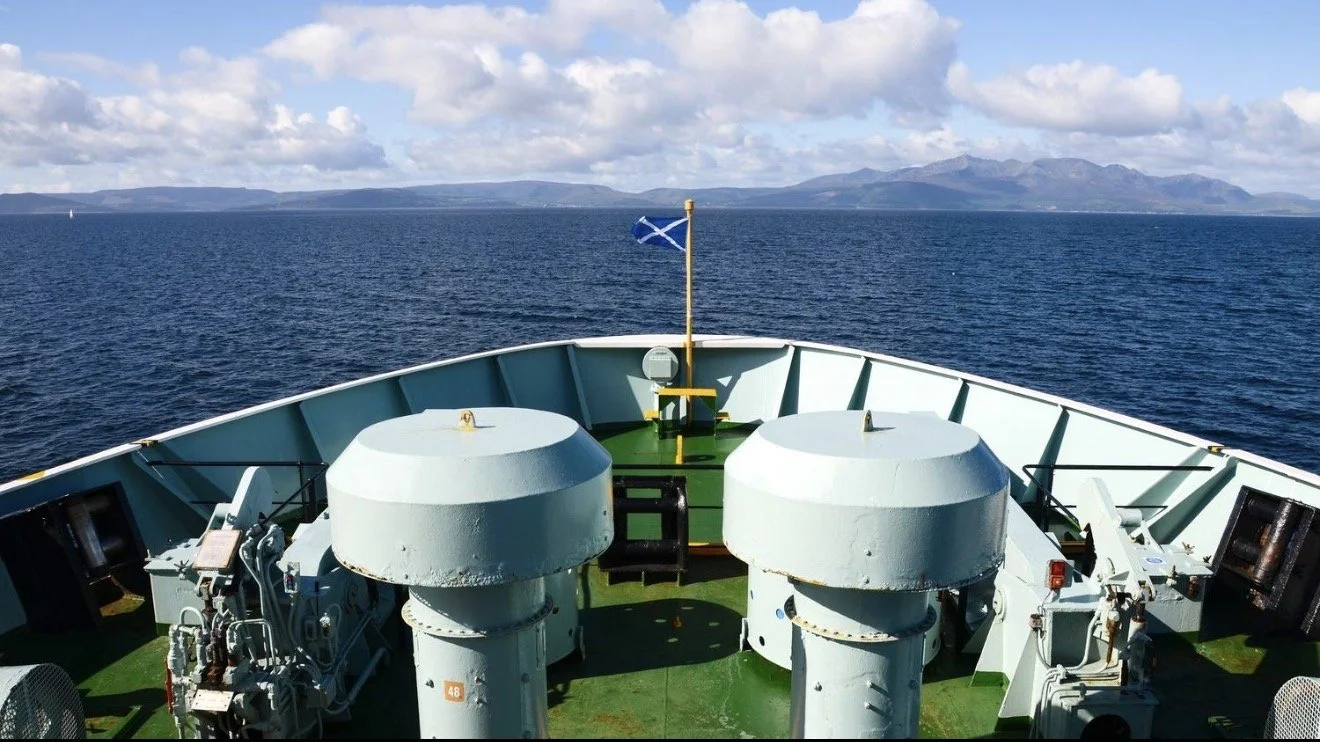
I crossed from Ardrossan to Brodick for a day of beaches, burns, glens and castle walls. Like so much of Scotland, the island appears ancient and undisturbed.
It is neither.
For many Canadians, the Highland Clearances are little more than a phrase attached to tartan, clan history and distant ancestors. In Scotland, they remain one of the great wounds beneath the landscape.
The Clearances were not one eviction, one law or one moment. From the late eighteenth century through the nineteenth, landowners across the Highlands and Islands reorganised their estates under the banner of agricultural “Improvement.” As older clan relationships gave way to commercial estate management, farms were consolidated, rents increased and extensive sheep runs replaced settlements that had supported families for generations.
The word mattered.
“Improvement” made the process sound intelligent, modern and inevitable. Land could be judged improved when it produced more rent—even if the people who had lived upon it were no longer there.
The experience differed from place to place. Some tenants were removed with violence. Some were relocated to marginal coastal ground and expected to survive through fishing or the kelp industry. Some emigrated willingly in search of land and opportunity. Others left because every realistic alternative had disappeared.
Scotland did not simply lose population.
It exported belonging.
Canada received many of those people. They settled in Nova Scotia, Prince Edward Island, Quebec, Ontario and beyond, carrying Gaelic, Presbyterianism, Catholicism, music, memory and family names now treated as naturally Canadian.
Canada’s Scottish inheritance did not arrive only through adventurous pioneers choosing a new world.
Some came because the old world had decided it no longer had room for them.
Arran makes that history startlingly close.
On 25 April 1829, eighty-six islanders gathered at Lamlash to board the brig Caledonia for Canada. Before they sailed, the Reverend A. Mackay preached to them from First Peter:
“Casting all your care upon him; for he careth for you.”
About two months later, the ship reached Quebec. Its passengers established an Arran community in Mégantic County.
Read those dates again.
This was only eight years before Queen Victoria took the throne. Toronto would not be incorporated as a city until 1834. Canada itself was still thirty-eight years from Confederation.
The people cleared from Arran were not figures from a mist-covered medieval past. They lived on the edge of our modern world, on an island visible from the mainland and not far from Glasgow, where I was born.
The old Celtic Christian tradition spoke of peregrinatio pro Christo: voluntary exile for the sake of Christ. The pilgrim left home, kin and certainty, surrendering the road ahead to God.
But the people leaving Lamlash were not pilgrims.
The loss that drove them into exile had been chosen for them.
That distinction matters. To remember only their courage is to risk forgetting the power, loss and grief that made courage necessary.
Yet courage was required.
They crossed an ocean, built communities and helped shape Canada while carrying the memory of an island many would never see again.
I was taken from Glasgow to Canada as a baby and crossed back more than forty years later. I travelled freely, carrying two passports and the freedom to return.
They left after the freedom to remain had been taken from them.
Their story is not mine. But standing on that ferry, moving across the same water in the opposite direction, history no longer felt distant.
The empty glens of Scotland are beautiful.
They are also evidence.
Canada is full of the people who are missing from them.