Homelessness
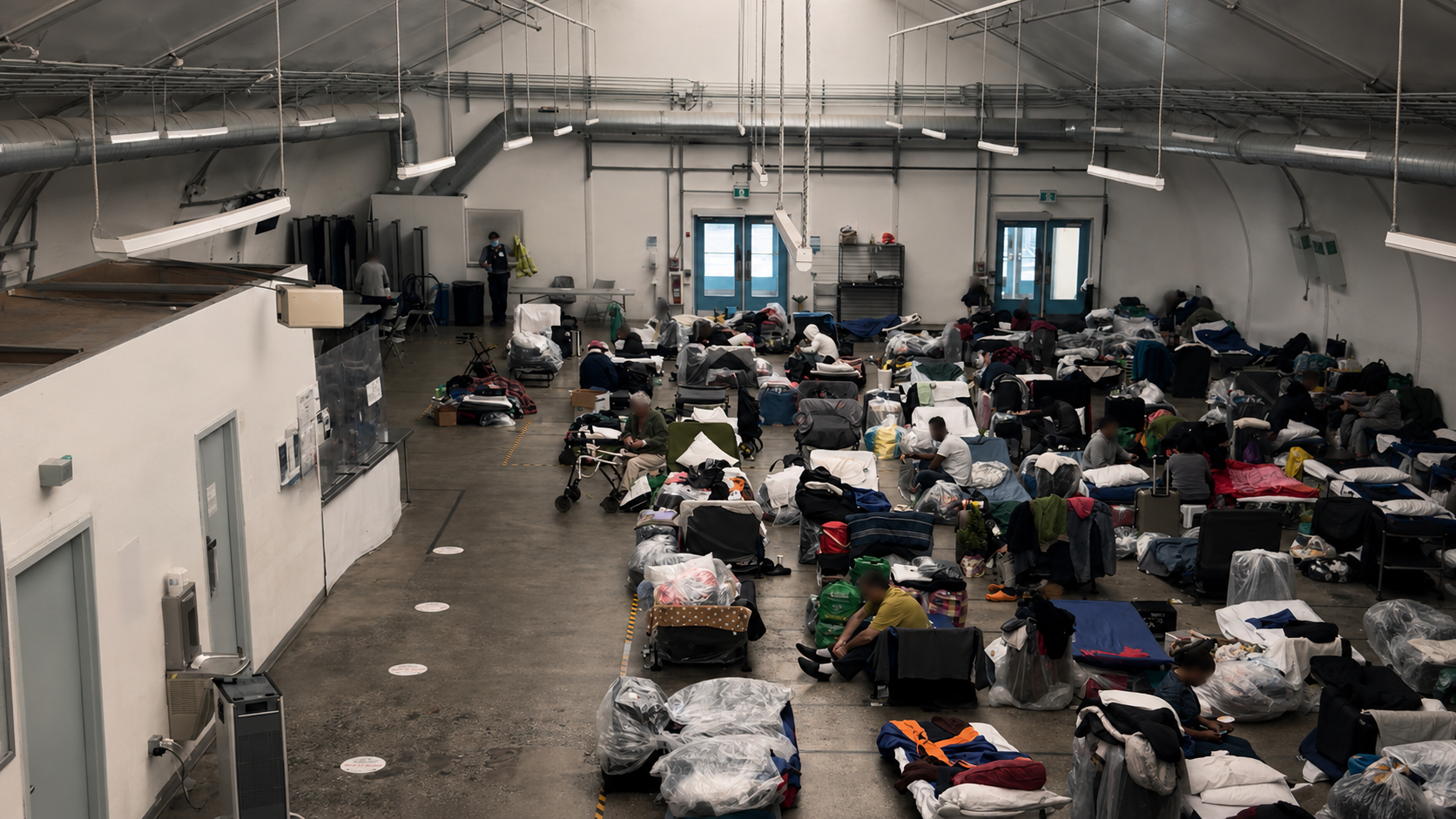
People do not understand homelessness until they stand close enough to smell the room.
One place where I served clients was Dixon Hall’s 24-hour respite site beneath the Gardiner Expressway in Toronto. It was a low-barrier structure built for one hundred people: rows of cots, showers, laundry and somewhere to survive the night.
The room was overwhelmingly male. There was theft, violence, addiction, exploitation, illness and fear. There were also men sharing cigarettes, guarding one another’s belongings and waking someone who had stopped breathing.
I have worked in Christian ministry, in 9-1-1 crisis response with the Toronto Community Crisis Service, and as a case manager with LOFT Community Services. We distributed food, replaced clothing, administered naloxone, de-escalated fights, secured identification and submitted housing applications.
Sometimes we kept someone alive until morning.
But we could not give him the thing he needed most.
A home.
The usual objection is personal responsibility. People make choices. Some burn bridges, commit crimes, refuse treatment or use every second chance they receive.
That is true.
It is also incomplete.
Almost nobody is born on a shelter cot. There is a story before homelessness: injury, eviction, job loss, prison, family breakdown, untreated illness, addiction or rent rising faster than income. Usually, several failures arrive together. Responsibility still matters, but it is difficult to rebuild a life while sleeping beneath an overpass or guarding your shoes through the night.
Toronto, a city of more than three million people, estimated that 12,196 people were homeless on one night in October 2025, including 1,446 sleeping outdoors. An applicant for rent-geared-to-income housing now waits, on average, twelve years for a studio or fourteen for a one-bedroom.
That is not a pathway out. It is a queue.
And that distinction changes everything.
Scotland made a different choice. Since 2012, the “priority need” test has been abolished. Every household assessed as unintentionally homeless is legally entitled to settled accommodation, with temporary accommodation required until a home is secured.
Scotland has not perfected delivery. Temporary accommodation is overcrowded and councils are under pressure. But in 2024–25, eighty-two per cent of unintentionally homeless households whose cases concluded secured settled accommodation.
That is a victory.
It does not declare every homeless person innocent, sober, compliant or easy to help. It declares that shelter is a human necessity, not a prize awarded after someone becomes respectable.
Housing first is not housing only. People may still need treatment, employment, supervision, consequences and support. The point is sequence. A home does not solve every problem, but without one every problem becomes harder to solve.
The Bible understands that. Isaiah says to bring the homeless poor into the house. Jesus identifies himself with the hungry, the stranger, the sick and the imprisoned.
Christian charity offers a bed tonight.
Christian justice asks why there is no home tomorrow.
Toronto offers a waiting list.
Scotland recognizes a right.
A shelter can keep a person alive.
A home gives that life somewhere to grow.