Ireland Was Always in the Room
This morning, I am flying from Glasgow to Dublin with one backpack.
I am going to see someone who knew Rob Crocco well.
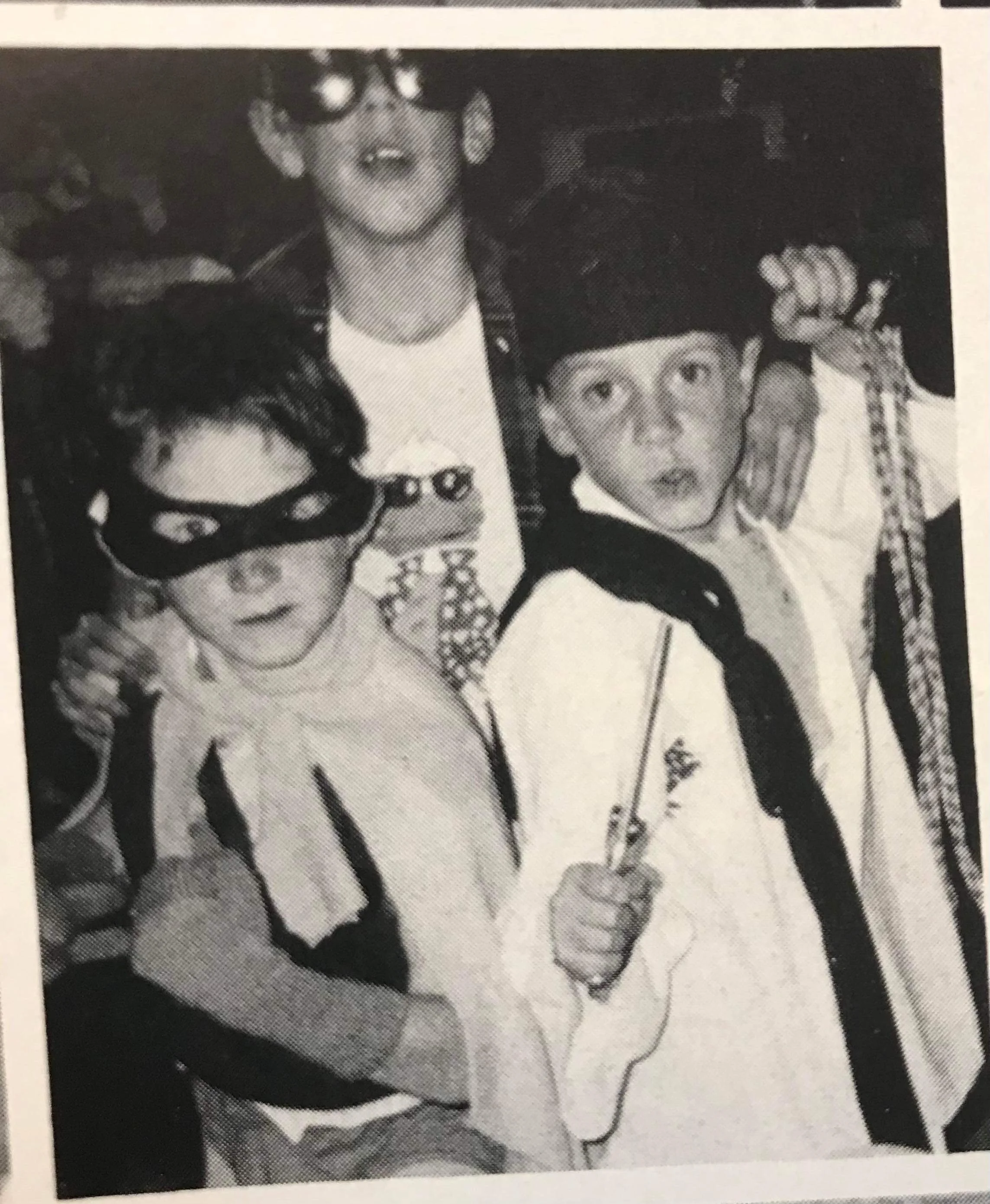
Rob was one of my best friends growing up. We went to the same little Catholic elementary school in Markham. He knew me before ordination, before books, before public collapse and the long work of beginning again. He knew the earlier versions—the boy before the explanations—and I gave him licence to tell those stories in ways I did not give to many people.
When I wrote Redemptive Trauma, Rob was already threaded through it.
He was there in the childhood stories I could not tell alone. He was there in the summer when old friends came looking for me and helped me remember who I had been before everything went wrong. He was there in the life we tried to build afterwards. I called us “three men and a Rory”—family made from friendship when the inherited version had failed.
Rory did not know him primarily as one of my oldest friends.
He knew him as Uncle Rob.
The grown man who loved the same video games. The person who came over and made himself at home. One of the adults who showed my son that family could be chosen, dependable and joyful.
Watching the two of them together was one of my favourite things.
Rob died in November 2022.
The person I am visiting knew a chapter of Rob’s life I did not witness. That means there are stories about Rob I have never heard.
I carry other chapters.
Markham. Sleepovers. Catholic school. The years before any of us understood what childhood was doing to us. The man who could remember my life when I had lost the thread of it myself. Uncle Rob beside Rory.
Grief has kept those memories in separate rooms.
This trip gives us a chance to bring them together.
Ireland was in the room long before I ever crossed this water. It was in my mother’s O’Neil name, in the Catholicism she inherited, in Donegal stories, family loyalties and old arguments whose origins nobody explained to the children listening nearby.
I have written about that Ireland many times.
This Ireland is not an argument about bloodlines. It does not need to authenticate me or settle an old family dispute.
It is where two people who loved the same friend will finally sit in the same room and say his name.
There is no need to turn that into a lesson. We will not reconstruct Rob from our stories or make his death easier to understand. We will remember him differently because we knew him differently.
I may hear something about Rob I have never heard. I may tell a story from Markham, or about Rory and his uncle, that is new to someone else who loved him. We may laugh. We may go quiet.
None of that betrays the grief.
It gives the grief company.
For years, Ireland was an inheritance I carried into every room.
This time, Ireland is the room.
We will enter it carrying different memories of the same man. For a little while, we will not have to grieve him separately.
Giff on the Way Home.