The Long Memory of the Oppressed
The oppressed have long memories.
Sometimes that memory becomes anger.
Suspicion.
Tribalism.
An inherited hatred so old nobody quite remembers where it began.
But sometimes memory becomes architecture.
A house.
A hospital.
A prescription.
A bus.
A law that says when somebody falls, the rest of us have some obligation to notice.
A month ago, I wrote about homelessness in Scotland.
About the difference between giving somebody a shelter bed for the night and recognizing that they have a right to somewhere to live.
I thought I was writing about housing.
I don't think I was.
I think I was beginning to notice something larger.
Scotland has not solved homelessness. People still sleep rough. Thousands live in temporary accommodation. The distance between having a legal right and having an available home can be enormous.
But Scotland made a choice.
It decided that having nowhere to live should not simply be regarded as your private catastrophe.
That distinction matters.
So does the NHS.
So do free prescriptions.
So does free bus travel for people aged sixty and over and eligible disabled people.
So does Scotland's decision to write into the principles of its social security system that social security is an investment in its people, a human right, and something to be delivered with dignity.
There will always be arguments about what government should provide, who should receive it and what society can afford.
But beneath those arguments is an older question.
What do we owe one another?
Every nation answers it.
And nations rarely arrive at their answers without history whispering in the room.
Scotland remembers poverty.
Tenements.
Mines.
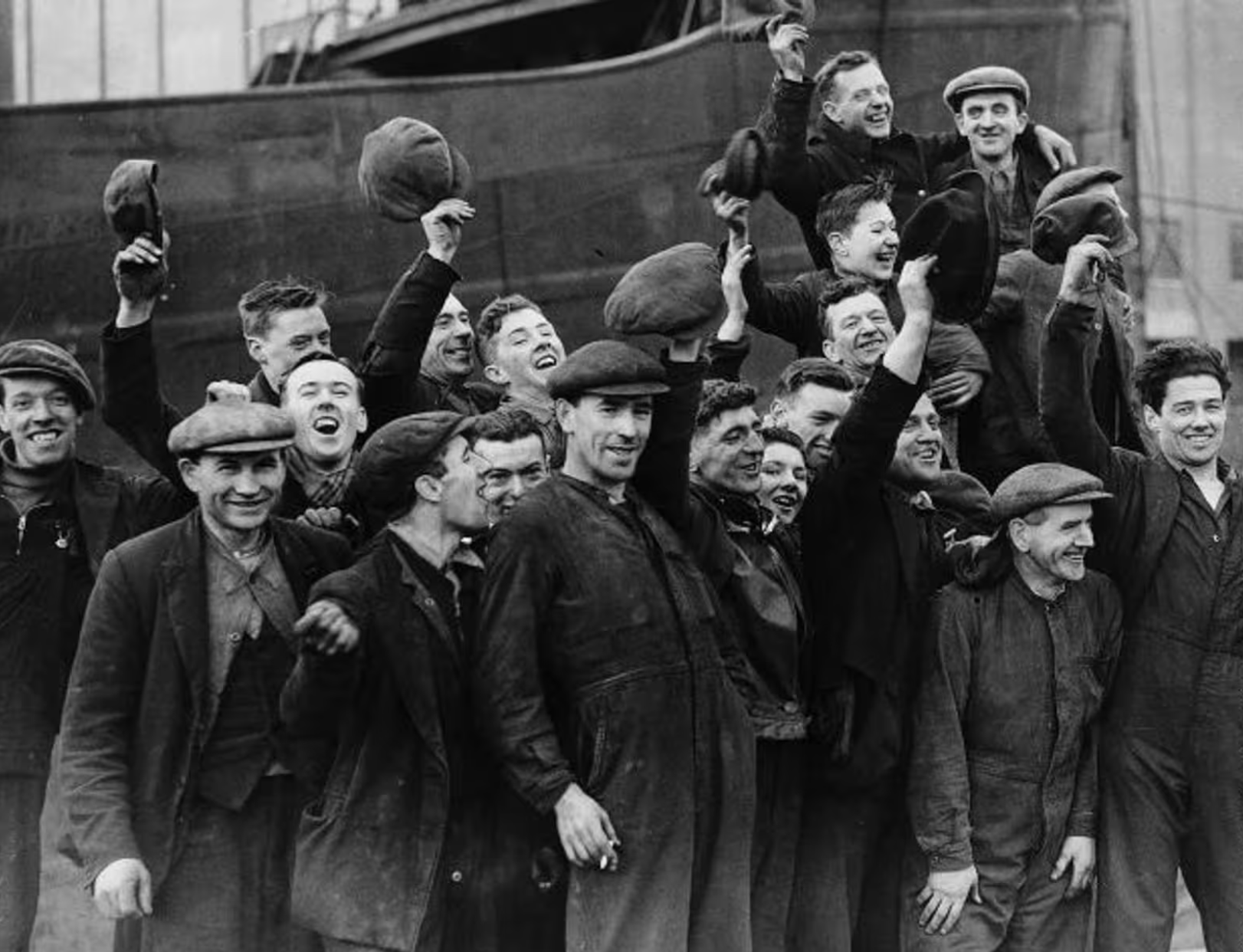
Shipyards.
Men destroying their bodies underground and along the Clyde.
Women stretching almost nothing far enough to keep families alive.
But we need to be careful here.
Scotland is not innocent.
Scots were workers, and workers were exploited.
Scots were also merchants, soldiers, plantation owners, colonial administrators and beneficiaries of empire.
Glasgow's wealth was tied, in part, to an imperial economy built upon the exploitation of other human beings.
A nation can be wounded and wounding.
A people can remember their own suffering while forgetting the suffering from which they profited.
And suffering does not confer innocence.
Being oppressed does not automatically make a person compassionate.
Neither does it make a nation virtuous.
Memory can create solidarity.
It can also create grievance.
It can teach us that nobody should ever suffer as we did.
Or convince us that our suffering gives us permission to make somebody else suffer.
Memory is not morality.
What matters is what we build from it.
Remember the cold.
Build houses.
Remember disease.
Build hospitals.
Remember hunger.
Feed people.
Remember what mines and shipyards did to bodies.
Protect workers.
Remember what happens when poverty is treated as evidence of moral failure.
Build something that begins with dignity instead.
There is something beautiful in that.
Not because the suffering was beautiful.
It wasn't.
We have a dangerous habit of romanticizing hardship once everybody who endured it is safely dead.
Poverty built character.
Hard times made strong people.
Our grandparents survived without help.
Perhaps.
But the hungry child did not need hunger.
The family in the overcrowded tenement did not need tuberculosis.
The miner did not need his lungs destroyed.
Suffering is not the gift.
What we choose to build from the memory of suffering may be.
Otherwise we sanctify the very wounds our ancestors spent their lives trying to escape.
Perhaps that is part of what sits beneath the Scottish social contract.
Not some sentimental claim that Scotland is kinder than everywhere else.
It isn't.
Not a nationalist mythology in which Scots have always been innocent victims of somebody else's cruelty.
We haven't.
And certainly not a claim that the welfare state works perfectly.
Christ, no.
It is something smaller.
A conviction that there should be a floor beneath a human being.
That losing your income should not cost you your doctor.
That poverty should not make you disposable.
That disability should not imprison you in your home.
That having nowhere to live should become a concern beyond the individual who has nowhere to sleep.
There will always be arguments about where that floor should sit and what it should cost.
But the alternative is a moral choice too.
A society that watches somebody fall and says not our problem has answered the question.
That is why the language of Scotland's social security principles matters.
Not charity.
Not pity.
Investment.
Rights.
Dignity.
Those words make a claim about who belongs.
For good or ill, nations carry their past with them.
They can worship old wounds.
Turn suffering into mythology.
Pass hatred from parent to child and call it memory.
Or they can remember what happened when nobody came.
When illness meant destitution.
When poverty meant shame.
When workers were expendable.
When the weakest person in the room was simply expected to endure.
And they can decide:
Not again.
Not perfectly.
Not yet for everyone.
But differently.
That may be the best use of the long memory of the oppressed.
Not to prove that we were innocent.
Not to preserve the wound forever.
To remember what people were once forced to carry alone.
And build something that means the next person doesn't have to.
Remember it.
And build differently.