Ancestral Betrayal
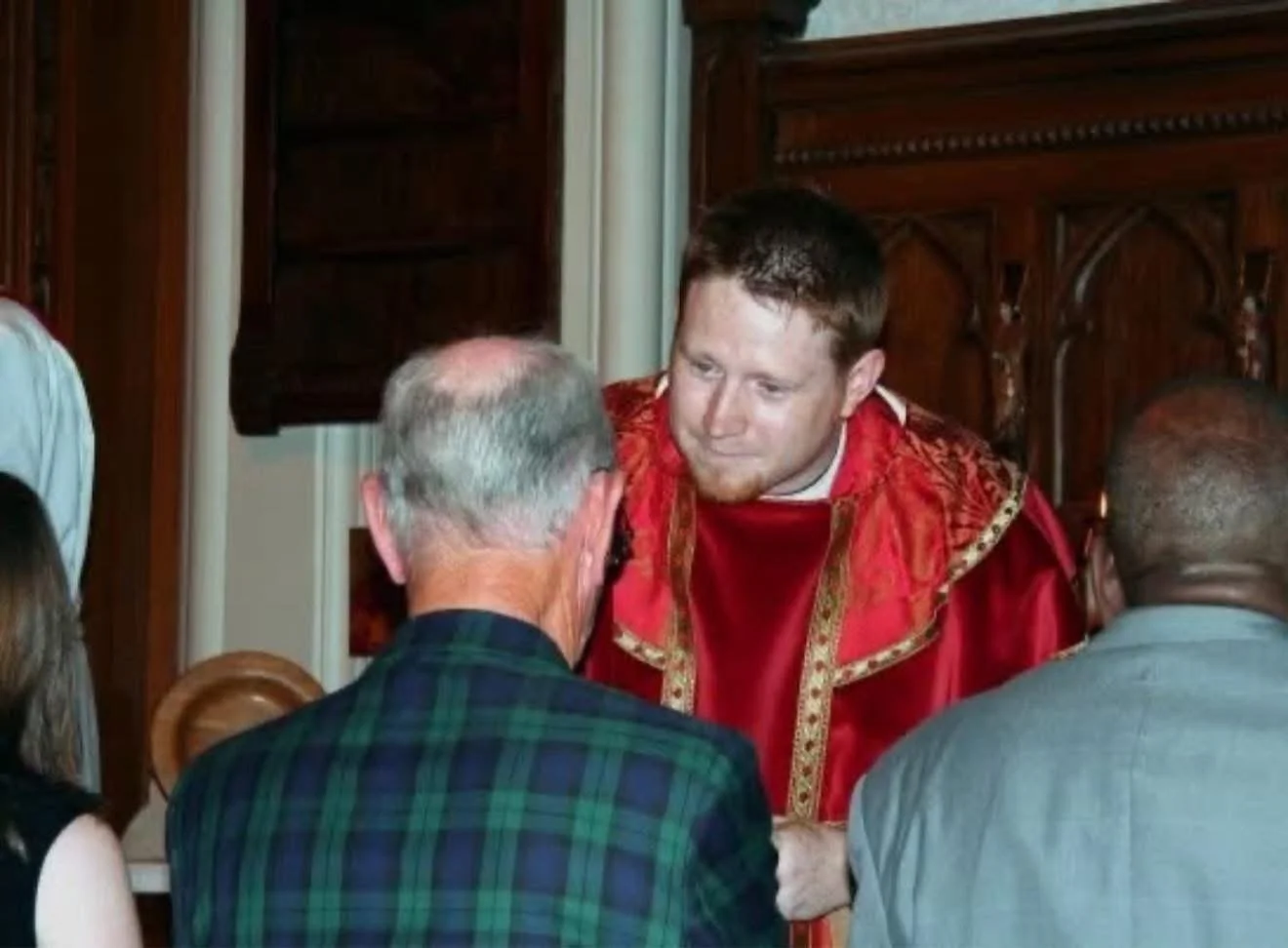
I was ordained into the Anglican Church of Canada at twenty-six years old.
At the time, I thought it was reconciliation.
My father was a Protestant boy from near Falkirk shaped by Rangers culture, anti-Irish sectarianism, and the hard emotional codes of working-class Scottish Protestantism. My mother was an Irish Catholic girl from Bishopbriggs whose family roots ran back to Donegal. She played the organ at Mass twice a week as a teenager.
I thought becoming an Anglican priest somehow transcended all of that.
I understand now it may also have been a betrayal of both histories.
Especially my mother’s.
Because Anglicanism in Canada likes to imagine itself as moderate, intellectual, compassionate, and above sectarianism. And often it is. I knew beautiful priests, faithful communities, and people who genuinely loved God and neighbour inside that church.
But history does not disappear because the tone softens.
For generations of Irish Catholics, Anglicanism was tied to empire, class power, British respectability, and institutions that often looked at Irish people with suspicion, contempt, or paternalism. Even in Canada. Even politely.
And I did not fully understand what it meant for my Irish Catholic grandfather to receive communion in an Anglican cathedral while his grandson stood at the altar wearing the robes of that institution.
I don’t mean he felt betrayed by me personally.
I mean history was sitting silently in the room.
Because empire doesn’t just shape nations. It shapes families. Memory. Shame. Aspirations. Silence.
My father’s hatred of the Irish was not random. It was inherited. A cultural reflex passed down through generations of Scottish Protestant identity formation. And my mother’s inability to fully tell the truth about my father, our family, and the emotional contradictions inside our home was inherited too. In families shaped by fear and survival, silence becomes a sacrament.
So I became the bridge.
The articulate son. The priest. The educated man who could move comfortably inside institutions while carrying unresolved ancestral grief he barely understood.
At twenty-six, I thought ordination meant I had escaped history.
At forty-five, I understand I had walked directly into it.
Not because God betrayed me.
Because I did not yet understand how deeply empire had shaped the people who raised me — or how badly part of me still wanted acceptance from institutions my ancestors had every reason to distrust.