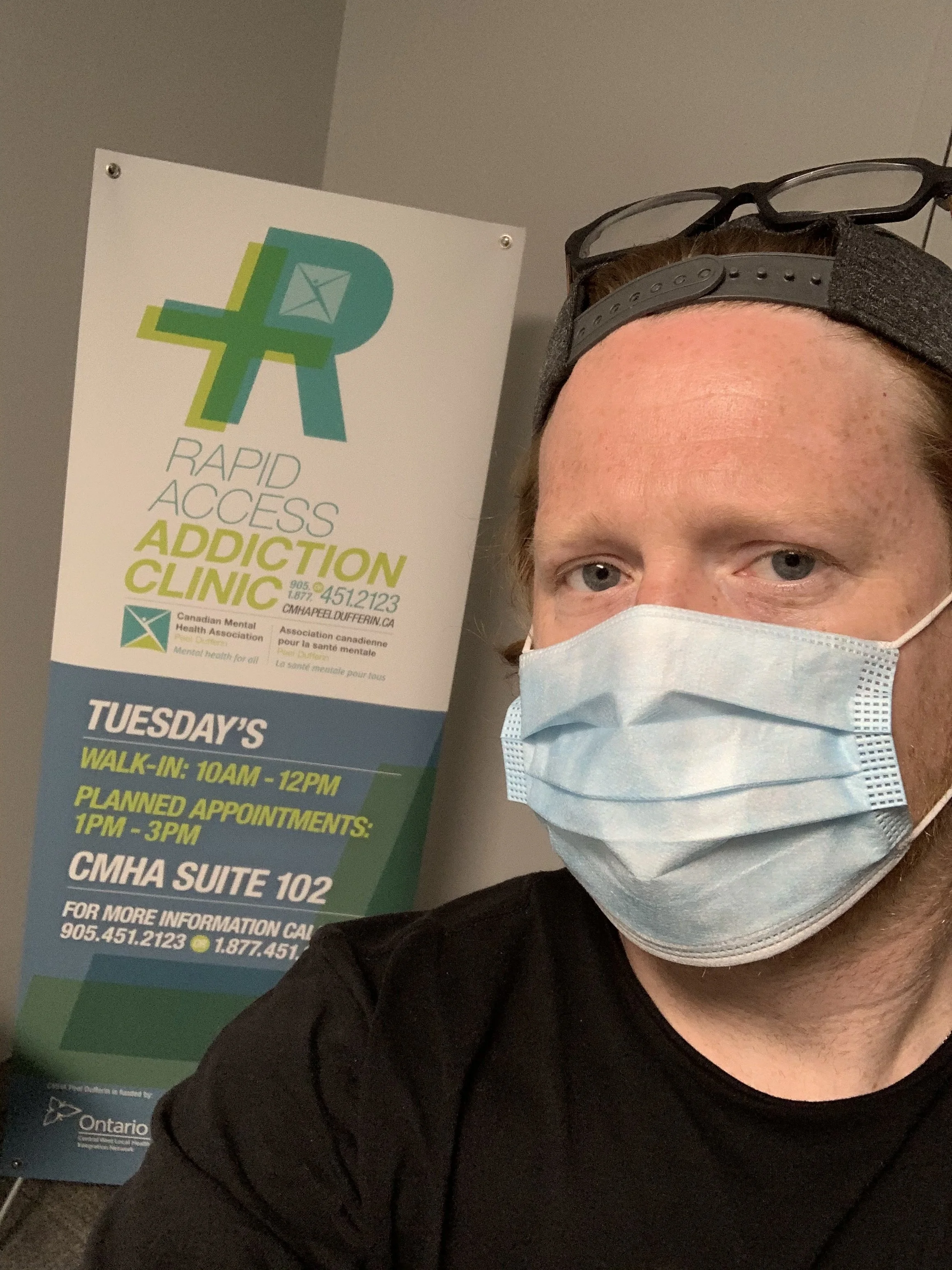
Rat Park
There’s a theory about addiction that changed the way a lot of people think about human behaviour.
The problem isn’t always the substance.
Sometimes the problem is the cage.
For years, we built entire systems around the idea that people destroy themselves because they’re weak, immoral, reckless, or broken. But the deeper truth is often more uncomfortable than that.
Human beings deteriorate in isolation.
We deteriorate without meaning.
Without community.
Without dignity.
Without belonging.
Without hope that tomorrow can look different from today.
And modern life is full of cages that look successful from the outside.
People surrounded by status, beauty, money, followers, and noise can still feel profoundly disconnected. We’ve become experts at appearing fine while quietly numbing ourselves to survive the pressure, loneliness, exhaustion, and emptiness underneath it all.
That numbing takes different forms for different people.
Substances.
Work.
Attention.
Sex.
Achievement.
Anger.
Control.
Scrolling.
Consumption.
Most addictions begin as relief before they become destruction.
That doesn’t remove responsibility. Choices still matter. Accountability still matters. Recovery absolutely matters.
But shame alone rarely heals anyone.
Connection does.
Purpose does.
Honesty does.
Being seen without being discarded does.
The people who rebuild their lives are usually not the people who suddenly become perfect. They are the people who slowly find relationships, structure, meaning, and environments where they no longer need to constantly escape themselves.
I think that’s part of what scares people about honest conversations around addiction, trauma, and mental health.
Because eventually we have to ask harder questions.
Not just “What’s wrong with that person?”
But:
“What kind of world are we building that leaves so many people desperate to disappear inside themselves?”