Culloden Was Never Really Over
People talk about Culloden like it was a battle.
A date.
A defeat.
A tragic chapter in Scottish history.
But Culloden was never just a battlefield. It was the breaking of a people.
On April 16, 1746, the Jacobite rising ended in less than an hour on a cold moor near Inverness. What followed mattered even more. The British Crown moved aggressively to dismantle Highland culture itself. Clan structures were targeted. Gaelic was suppressed in public life. Tartan and Highland dress were outlawed under the Dress Act of 1746. Land was seized. Families were displaced. Generations scattered across the Atlantic.
The Highlands were not simply conquered. They were reorganized.
And yet memory survived.
You still feel it in parts of Nova Scotia. In Cape Breton. In old songs, old names, old churches, and old silences. You hear it in the cadence of people who carried Scotland across an ocean because they had little choice.
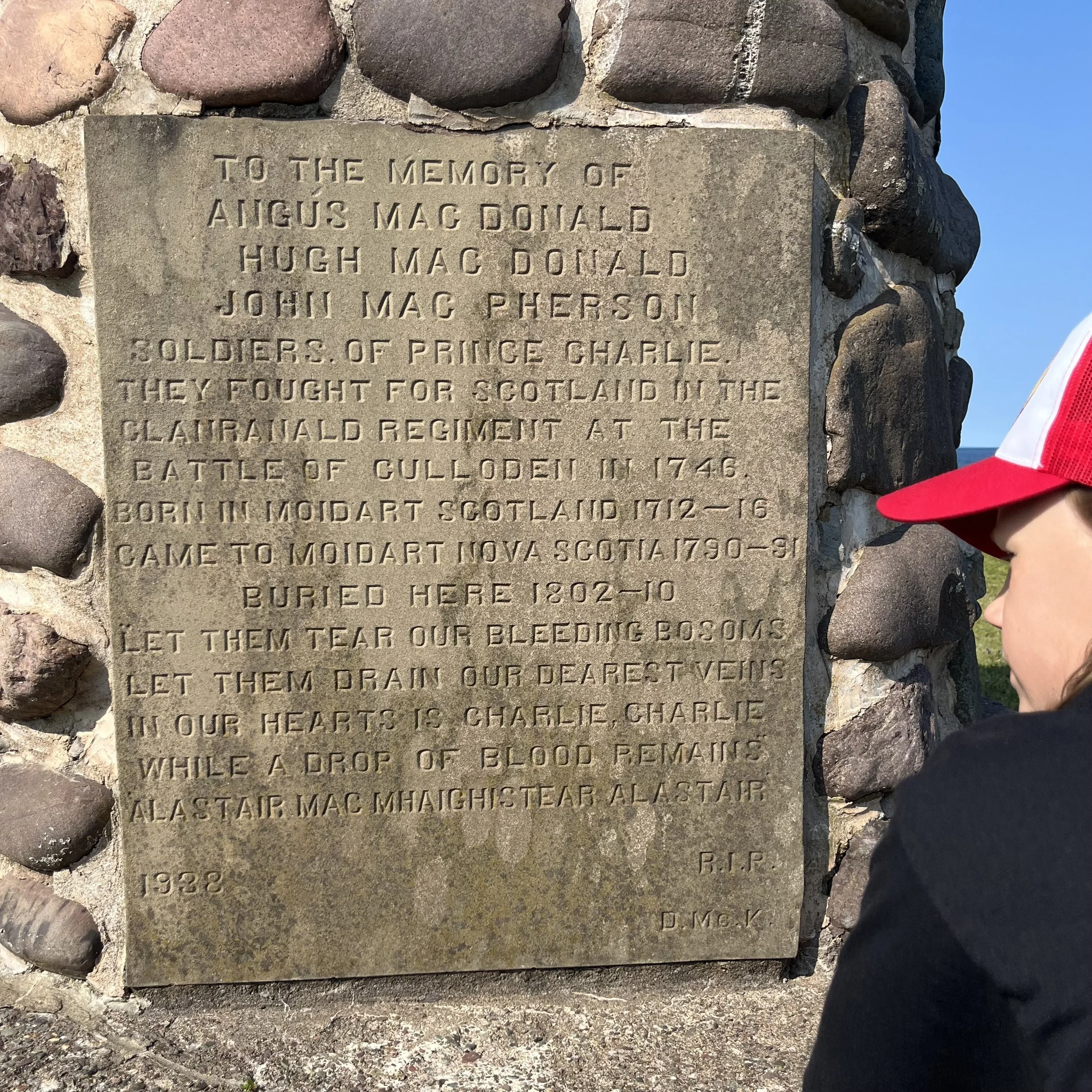
Last summer, standing before the Culloden cairn in Knoydart, Nova Scotia, I understood something I hadn’t fully grasped before: exile changes people, but it also shapes them. The monument overlooks the Atlantic like a witness. Quiet. Unpretentious. Built from local stone to honour Highland men connected to Culloden who ended their lives far from home.
No reenactments. No mythology. Just memory.
Modern culture loves sanitized heritage. Tartan without grief. Celtic branding without history. Heritage festivals that celebrate aesthetics while forgetting the cost.
But real memory has weight to it.
Culloden echoes far beyond Scotland. You can trace lines from the destruction of Highland culture to wider imperial projects across Ireland, Canada, and beyond. The same empire that crushed the clans would later export its systems, assumptions, and violence across the world.
That history matters.
Not because we should live trapped in resentment, but because people lose themselves when they lose the courage to remember honestly.
Some inherit castles.
Others inherit silence.
And some inherit the responsibility to tell the truth about both.