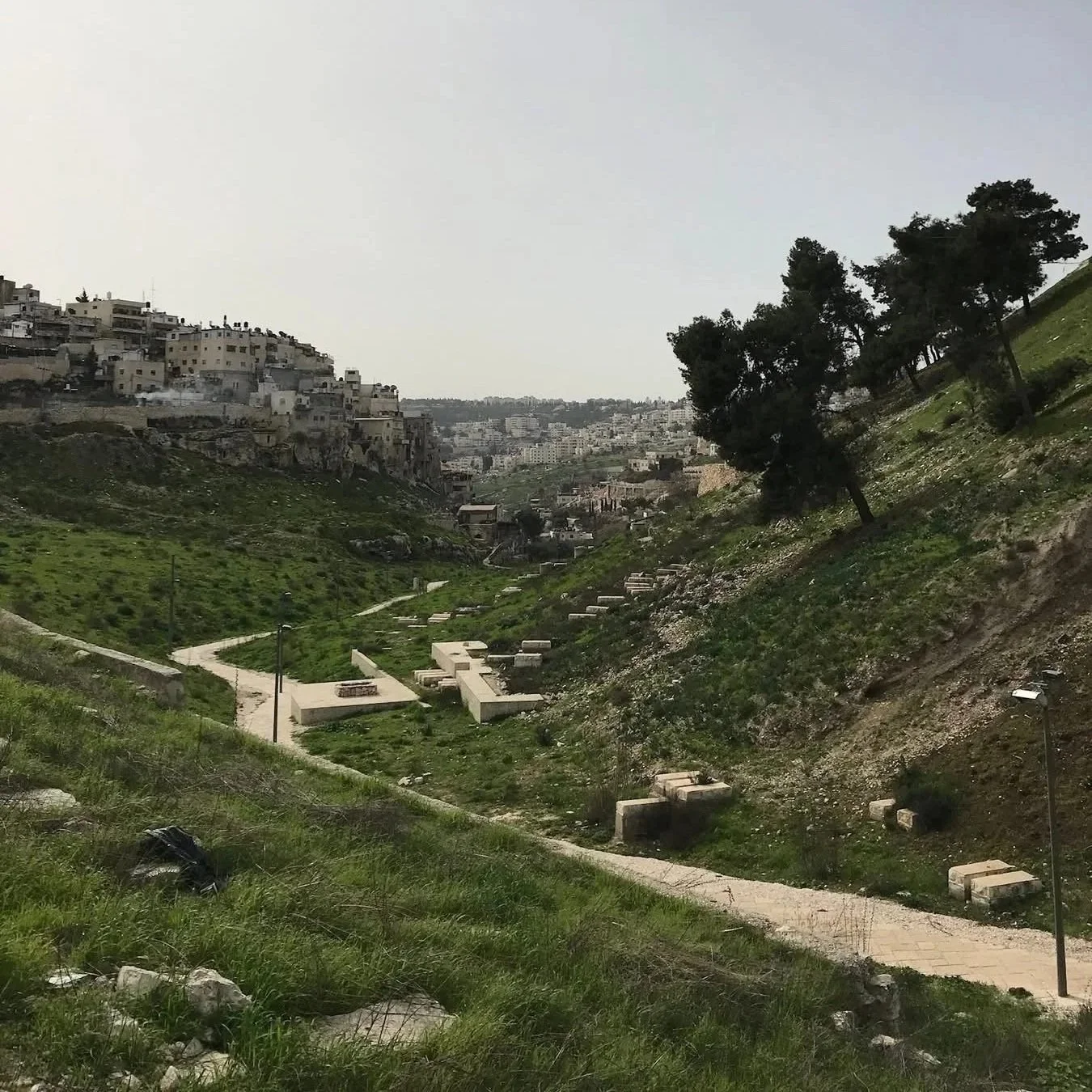
Dry Bones & Open Graves
This Sunday in Lent, the Church gives us no soft religion.
It gives us a valley of dry bones and a man four days dead.
In Ezekiel, the prophet is dragged by the Spirit into a field of scattered bones. Not burial with dignity. Not grief held with tenderness. Just the exposed remains of a people crushed so completely they can no longer imagine a future. Then comes the question:
Can these bones live?
In John’s Gospel, Jesus stands before the tomb of Lazarus. The stone is in place. The body is already claimed by death. The mourning is real. The loss is real. And before Jesus says anything powerful, he weeps.
That matters.
Because the God of resurrection does not heal by denial. He does not ask the wounded to tidy up their testimony. He does not protect peace by protecting lies.
Too much religion wants resurrection without memory. Too much religion wants hope without truth. Too much religion wants people raised, but only if they come back quiet.
But in scripture, God keeps going exactly where the world has already declared the story over.
Into the valley.
Into the tomb.
Into exile.
Into ruin.
And there, God speaks.
The bones do not rise because somebody changes the subject. Lazarus does not come out because everybody agrees to be positive. The dead rise because God refuses to leave them where they were buried.
That is the Gospel in hard form.
Some of us know what it is to be buried before we die. Buried under shame. Buried under betrayal. Buried under silence. Buried by institutions that preserve themselves better than they tell the truth. Buried by people who start speaking about you in the past tense while you are still breathing.
And when you have known that kind of burial, memory is not bitterness.
Memory is holy.
Ezekiel is made to stand among the bones. Jesus walks straight to the grave. And Lazarus comes out still marked by the fact that he was buried.
That is how God works.
Not by erasing the wound. Not by pretending death was not real. But by declaring that death does not get the final word.
So this Sunday, I hear both texts as a warning and a promise.
A warning to every power that built its peace on someone else’s silence: the bones are going to rattle.
A promise to everyone who thought their life was over: the grave is real, but it is not sovereign.
Dry bones don’t lie. Open graves don’t lie. And the God of Jesus Christ is still calling the buried back into breath, back into speech, back into life.
Not tidy. Not safe.
But alive.