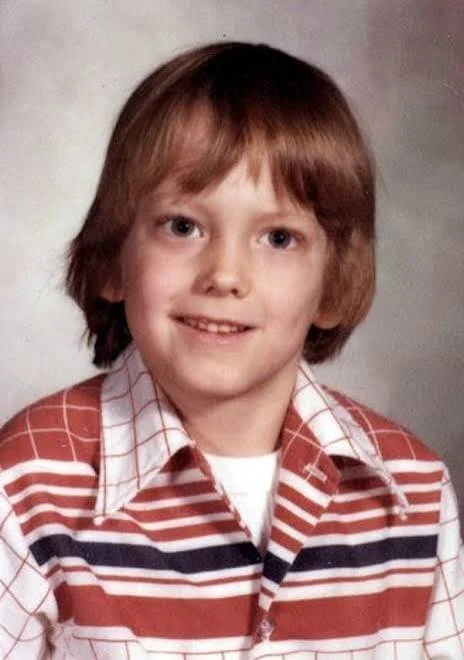
Mother’s Day, Storgē, and Slim Shady
There are not many artists in modern history more honest about maternal pain than Eminem.
Not polite. Not measured. Honest.
For twenty-five years, the world watched him drag family trauma into public view with a level of fury most people only ever whisper in private. His mother became part of the mythology of Slim Shady. So did the poverty. The instability. The rage. The humiliation. The addiction. The chaos.
And yet beneath all the violence and controversy in the music was something older and sadder than celebrity outrage.
A son trying to make sense of love.
In my book Redemptive Trauma: Confession of a Defrocked Priest, I wrote about the Greek words for love and how English collapses everything into one vague catch-all term. One of those words is Storgē — familial love. Often associated with the bond between mother and child.
Not romance. Not friendship. Formation.
The kind of love that shapes your nervous system before you can explain your own emotions.
A mother’s voice. A mother’s fear. A mother’s tenderness. A mother’s instability. A mother’s absence.
Those things stay with people.
That is part of what made Eminem such a force culturally. He did not just rap about fame or violence or shock value. He turned unresolved childhood pain into art at the highest level imaginable. The anger was real, but so was the grief underneath it.
And unlike a lot of artists, he never fully hid the contradiction.
Because even after years of public conflict with his mother, there was still something human in watching Debbie Mathers publicly congratulate her son after his induction into the Rock & Roll Hall of Fame. Not because it erased the past. It didn’t. But because age has a way of exposing the humanity underneath old wars.
Mother’s Day is complicated for a lot of people.
Some mothers save us. Some wound us. Most do both while carrying wounds of their own.
That does not mean all behaviour gets excused. It does mean human beings are more complicated than internet morality plays allow.
People love redemption stories until they involve messy people.
That is partly why Eminem endures. Not because he was clean or polished or safe, but because he exposed parts of male pain that many men are taught to bury alive.
Pain that cannot be processed eventually becomes performance.
Sometimes addiction. Sometimes rage. Sometimes comedy. Sometimes brilliance.
Sometimes all four at once.
That is Slim Shady.
And somewhere underneath the legend, the fury, and the persona, there is still a little boy trying to understand Storgē.