The Moment Before Crisis
Crisis rarely looks the way people imagine.
Most of the time it looks like a quiet phone call no one knows how to answer.
There is a moment in crisis work that people rarely talk about.
It is not the moment when someone breaks down. Not the moment when the police arrive. Not even the moment when someone finally admits they need help.
The real moment comes earlier.
It is the moment when the phone rings.
And someone decides to answer.
Most people imagine crisis as something dramatic. Sirens. Hospitals. Interventions. But most crises are quieter than that.
A son relapses after three years sober. A professional who has kept everything together suddenly cannot get out of bed. A marriage reaches the moment where the truth finally surfaces.
Those moments rarely fit neatly into a therapy appointment scheduled three weeks away.
They happen on Tuesday afternoons. Or Sunday nights. Or at two in the morning when someone finally admits to themselves that they are not okay.
Crisis work lives in those hours.
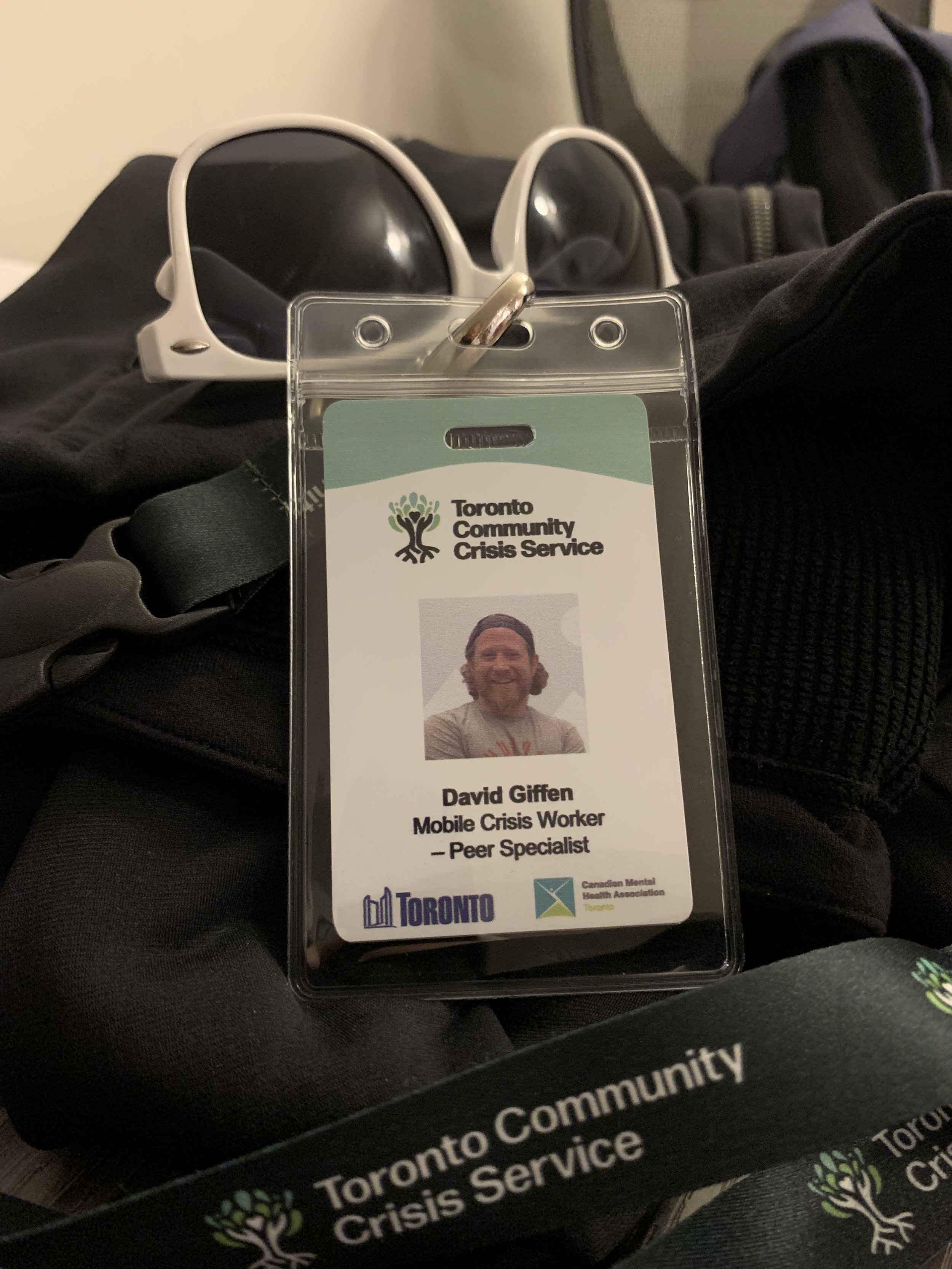
For several years now, my work has been shaped by those moments. Some of that experience came formally — working in Rapid Access Addiction Medicine with the Canadian Mental Health Association, and later contributing to the early implementation of Toronto’s fourth emergency service, the Toronto Community Crisis Service.
But much of what I learned about crisis began long before that.
It began in pastoral ministry.
Before there were clinical frameworks or crisis protocols, there were simply people sitting across from you in a room trying to explain why their life had suddenly become unmanageable.
Theological training prepares you for that in a strange way. A Master of Divinity is not simply an academic degree. At its best it is formation in listening to human suffering without immediately trying to fix it.
That skill turns out to be surprisingly useful in mental health work.
Over time I began to notice something.
Therapists do extraordinary work. Recovery programs save lives. Clinical treatment matters. But there is still a gap.
The gap lives between appointments — between the moment someone begins to destabilize and the moment the system is able to respond.
Families feel that gap most acutely. They are often the first to see the warning signs, and the last to know what to do about them.
That gap is where peer support lives.
Peer support is not therapy. It does not diagnose and it does not replace clinical care. Instead it offers something far more basic and sometimes more difficult: presence.
Someone willing to step into the storm when things begin to fall apart. Someone who understands addiction, trauma, and human behaviour well enough to help stabilize a moment before it becomes something worse.
Human beings are remarkably resilient. But resilience is rarely an individual achievement. It is almost always relational.
Someone answers the phone.
Someone sits down and listens.
Someone refuses to panic when everything feels like it is collapsing.
Over time those small acts become the difference between crisis and catastrophe.
I have come to believe that crisis work is less about heroism and more about steadiness.
About remaining calm when others cannot.
About helping people remember their dignity when they have temporarily forgotten it.
And sometimes the most important intervention is simply this:
Answering the phone.
—
David Ian Giffen provides professional peer support for individuals and families navigating addiction recovery, trauma, and periods of acute life crisis.
Profile:
https://www.psychologytoday.com/ca/therapists/david-ian-giffen-toronto-on/1086380